How do small evaluation errors scale into large real-world impact?
Error Analysis
Risk Management
Predictive Models
 25 January 2025
Small errors in model evaluation, particularly in Text-to-Speech (TTS) systems, can have significant real-world consequences. These seemingly minor missteps can cascade into substantial user dissatisfaction and system failures. Let's delve into how these errors manifest and the strategies to prevent them.
The Ripple Effect of Minor Errors
Imagine tuning a piano. A slight miscalibration might go unnoticed to the casual listener, but to a skilled pianist, it can disrupt an entire performance. Similarly, when evaluators overlook minor discrepancies in TTS models, like awkward intonations or incorrect stress patterns, the resulting audio may initially seem acceptable but can degrade user experience over time. These small errors, if unchecked, can snowball, leading to larger issues as the model scales.
Why It Matters
User Trust and Credibility: In applications such as customer service or education, user trust hinges on system reliability and perceived accuracy. A TTS system that mispronounces words or fails to convey the correct emotion can quickly lose credibility, leading to user disengagement. This is not just about accuracy. It is about maintaining a seamless, human-like interaction that inspires confidence.
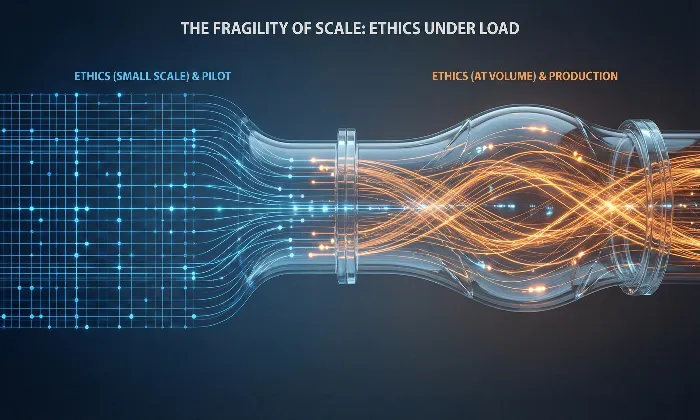
Scaling Challenges: As TTS systems expand across languages and dialects, minor errors can become magnified. What might be a small issue in a controlled environment can escalate into significant problems when the system is deployed globally. Failing to account for context-specific nuances can lead to outputs that falter in diverse real-world scenarios.
False Confidence: A model that performs well on traditional metrics might still fail in practice. For example, it could achieve high Mean Opinion Scores (MOS) yet produce speech lacking in emotional depth or appropriate pacing. This false confidence can prompt premature deployment, resulting in user frustration and potential backlash.
Strategies for Robust TTS Evaluation
To mitigate these risks, AI teams should adopt comprehensive evaluation strategies:
Multi-Dimensional Assessment: Implement structured rubrics that evaluate various aspects such as naturalness, prosody, and speaker similarity. This ensures not only obvious errors are caught but also subtle nuances that affect user perception.
Diverse Evaluator Panels: Engage native speakers and domain experts in the evaluation process. Their insights can uncover potential pitfalls that non-native evaluators might miss. Just as chefs rely on a diverse palate to refine a dish, diverse evaluators can enhance model quality.
Continuous Monitoring: Establish sentinel test sets for post-deployment evaluations. Regular assessments help detect silent regressions and ensure consistent performance in real-world conditions.
Practical Takeaway
Every stage of evaluation requires meticulous attention. Small oversights can lead to significant failures, especially in user-facing applications like TTS. By adopting a thorough evaluation methodology that includes diverse evaluators, multi-dimensional assessments, and continuous monitoring, teams can prevent minor errors from escalating into major issues.
At FutureBeeAI, we prioritize robust evaluation frameworks to ensure your TTS systems meet user expectations and deliver seamless interactions. By focusing on the nuances of human perception, we help you create systems that truly resonate with users.
FAQs
Q. Why is it crucial to involve native speakers in TTS evaluation?
A. Native speakers provide critical insights into pronunciation authenticity and prosody realism, which are often missed by non-native evaluators. Their feedback is invaluable in refining models to meet real-world language use.
Q. How can ongoing monitoring prevent silent regressions?
A. Regular evaluations using sentinel test sets allow for early detection of performance drifts, ensuring that models maintain their quality and effectiveness over time. This proactive approach helps catch issues before they impact users at scale. If you have further questions, feel free to contact us.
What Else Do People Ask?
 Share this article on


Related AI Articles

Browse Matching Datasets


Acquiring high-quality AI datasets has never been easier!!!
Get in touch with our AI data expert now!
