How do you avoid overfitting to evaluator preferences?
Overfitting
AI Models
Machine Learning
 19 January 2025
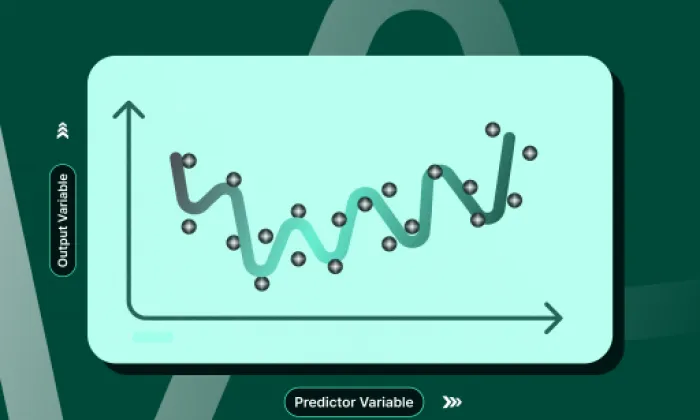
In text-to-speech (TTS) model evaluation, one subtle but significant risk is overfitting to evaluator preferences. When a model is repeatedly optimized based on feedback from a limited evaluator group, it may begin to reflect those specific preferences rather than broader user expectations. For teams developing TTS models, avoiding this trap is essential to ensure that speech systems perform well across diverse real-world audiences.
A model that sounds excellent to a small group of evaluators may still feel unnatural or inappropriate to actual users if evaluation methods are not carefully designed.
Why Overfitting to Evaluator Preferences Is a Risk
Overfitting occurs when evaluation feedback from a narrow or consistent evaluator pool begins to shape the model too strongly. Over time, the model becomes optimized for the tastes and biases of those specific listeners.
This can create a mismatch between evaluation results and real-world performance. A system may achieve high scores internally but struggle when exposed to users with different linguistic backgrounds, expectations, or listening contexts.
Key Strategies to Prevent Overfitting
1. Include Diverse Evaluator Panels: A diverse group of evaluators helps capture a broader range of listening perspectives. Evaluators from different linguistic, cultural, and demographic backgrounds are more likely to detect issues that a homogeneous group might overlook. However, diversity should be structured with clear evaluation guidelines to avoid inconsistent feedback.
2. Use Structured Evaluation Frameworks: Breaking evaluation into clearly defined attributes helps reduce subjective preference bias. Attributes such as naturalness, prosody, pronunciation accuracy, and emotional tone should be evaluated independently. Structured rubrics guide evaluators to focus on specific speech characteristics rather than personal preference.
3. Apply A/B Testing Methods: A/B testing enables evaluators to compare two versions of a model directly. By focusing on relative differences between samples, this method reduces reliance on abstract personal judgments and helps identify measurable improvements.
4. Monitor Evaluator Behavior Over Time: Evaluators may develop personal biases or consistent scoring habits during long evaluation cycles. Monitoring evaluator trends and periodically refreshing evaluator pools helps prevent evaluation drift that could influence results.
5. Integrate Feedback from Real Users: Incorporating feedback from actual user interactions helps balance evaluator opinions. Real-world usage data can highlight issues that controlled evaluation environments might miss.
Practical Takeaway
Preventing overfitting in evaluation requires designing processes that capture diverse perspectives while maintaining structured assessment criteria. By combining diverse evaluator pools, attribute-based frameworks, and comparative testing methods, teams can ensure that evaluation results reflect genuine speech quality rather than individual preferences.
Conclusion
In TTS model development, evaluation processes must reflect the diversity and unpredictability of real-world usage. When evaluation relies too heavily on a narrow group of listeners, models risk becoming optimized for those preferences rather than for actual users.
Organizations such as FutureBeeAI address this challenge by implementing structured evaluation methodologies that combine diverse evaluator panels, attribute-level assessments, and continuous monitoring. These approaches help ensure that TTS systems are optimized for real-world performance rather than internal preference patterns.
Designing evaluation strategies with these safeguards allows teams to build speech systems that resonate with a wide range of users while maintaining consistent quality across different applications.
What Else Do People Ask?
 Share this article on


Related AI Articles

Browse Matching Datasets


Acquiring high-quality AI datasets has never been easier!!!
Get in touch with our AI data expert now!
