What counts as a real-world facial image dataset?
Image Recognition
Machine Learning
Facial Analysis
 3 December 2025
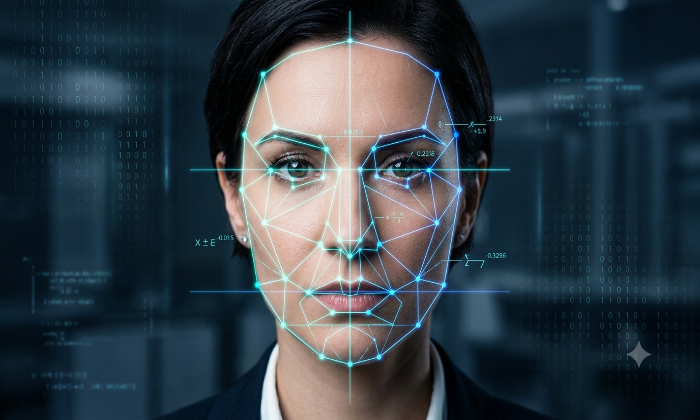
A "real-world facial image dataset" is a carefully curated collection of images that represent human faces in diverse and authentic conditions. These datasets are vital for training AI systems in facial recognition, identity verification, and liveness detection, ensuring models can operate effectively in varied real-life scenarios.
Why Real-World Datasets Matter
Real-world datasets are the backbone of AI systems tasked with interpreting human faces. They provide the variability necessary for models to perform reliably across different environments, which is crucial for applications like fraud detection and access control. Diverse conditions from lighting and angles to expressions and backgrounds, ensure comprehensive model training and robust performance.
Essential Features of Effective Facial Image Datasets
Diversity in Conditions: Effective datasets capture images under varied lighting (natural, artificial, bright, dim), backgrounds (indoor, outdoor) and angles (frontal, side, extreme). This diversity enables models to adapt to different orientations and environmental contexts.
Occlusion and Expression Range: Real-world datasets include occlusions such as glasses, hats, or masks and capture a range of expressions including neutral, smiling, and surprised. These variations improve model resilience. An Occlusion Image Dataset is an example of structured inclusion of such conditions.
Controlled Data Collection: High-quality datasets are collected through structured workflows, often using platforms like FutureBeeAI's Yugo. This ensures consistent execution, ethical standards, and informed participant consent.
Comprehensive Metadata: Each image is accompanied by detailed metadata covering demographics, environmental conditions, capture context, and quality control status. This structured context is essential for traceability and effective dataset management.
Rigorous Quality Assurance: Robust datasets undergo multi-layer quality checks, including automated file validation, manual reviews, and rework cycles. FutureBeeAI’s QC processes illustrate how disciplined checks help maintain long-term dataset integrity.
Practical Takeaway
When developing or evaluating real-world facial image datasets, diversity and quality discipline are non-negotiable. Well-constructed datasets improve model accuracy, reduce bias, and support ethical AI development. Investing in such datasets is critical for any system that operates on human facial data.
FAQs
Q. What are common pitfalls in creating facial image datasets?
A. Teams often underrepresent certain demographics or environmental conditions, leading to skewed datasets. Weak quality control processes can also result in data that does not reflect real-world usage scenarios.
Q. How can compliance be ensured when collecting facial image data?
A. Compliance requires informed consent, ethical data handling practices, and auditable data management. Platforms like Yugo support this through digital consent capture and detailed audit trails.
What Else Do People Ask?
 Share this article on


Related AI Articles


Browse Matching Datasets


Acquiring high-quality AI datasets has never been easier!!!
Get in touch with our AI data expert now!
