What is the purpose of expression-based facial datasets?
Facial Recognition
AI Research
Emotion Detection
 3 December 2025
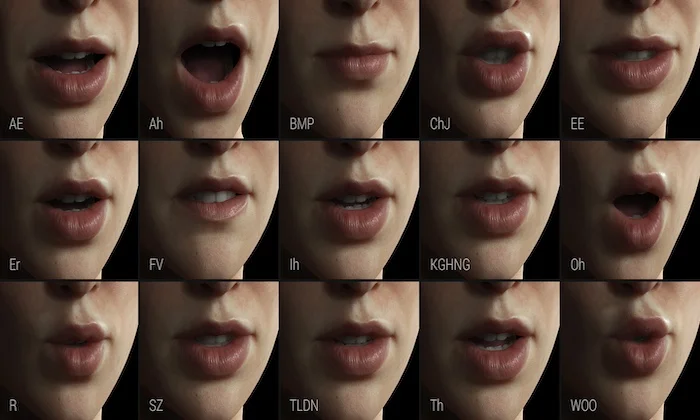
Expression-based facial datasets are foundational to advancing AI technologies that interpret human emotions. These datasets are not just about capturing a smile or a frown; they are crucial for creating AI systems that understand and interact with humans on an emotional level. By incorporating diverse expressions under various conditions, these datasets allow AI models to perform reliably across different applications.
Key Benefits of Expression-Based Facial Datasets for AI Applications
Expression datasets are indispensable for several AI-driven solutions:
1. Emotion Recognition: These datasets train AI to identify and interpret emotions, which is vital in applications like customer service and mental health monitoring. This capability allows AI to respond empathetically and appropriately in real-time scenarios.
2. User Interaction Enhancement: Understanding user emotions enables AI to tailor interactions, improving user experience in virtual assistants, gaming, and interactive media. Systems can adjust their responses based on emotional context, creating more engaging experiences.
3. AI Performance Benchmarking: Expression datasets provide a standard for testing AI models, ensuring they perform well not only in controlled environments but also in real-world situations. This benchmarking is critical for validating robustness and accuracy.
Capturing the Nuances of Human Expression
Creating expression-based datasets requires careful control and intentional variability:
Lighting Conditions: Expressions can appear differently under various lighting. Including diverse lighting scenarios ensures models generalize across environments.
Angles and Distances: Camera perspective influences how expressions are perceived. Incorporating multiple angles and distances supports consistent recognition regardless of viewpoint.
Natural Imperfections: Real-world expressions are rarely perfect. Including mild blur, occlusion, or motion prepares models to handle realistic conditions reliably.
Practical Applications and Insights
Expression-based datasets support advanced AI use cases:
KYC and Digital Onboarding: Improve identity verification by detecting expressions that may indicate discomfort, stress, or fraudulent behavior.
Fraud Detection: Enable systems to flag anomalous emotional cues that may correlate with suspicious activity.
Access Control: Enhance security by evaluating whether emotional cues align with expected authorization behavior.
Ethical Considerations and Dataset Integrity
Expression interpretation introduces ethical complexity, including bias risk and misclassification. Ensuring contributor diversity helps reduce bias, while disciplined quality control and metadata accuracy preserve dataset integrity and responsible AI deployment.
Conclusion
Expression-based facial datasets are not simple image collections; they are essential infrastructure for emotionally intelligent AI. For developers building human-facing systems, these datasets enable accurate emotion recognition, stronger interaction quality, and more trustworthy AI behavior across applications.
FAQs
Q. What types of expressions do these datasets cover?
A. They typically include emotions such as happiness, sadness, anger, surprise, and neutral states, ensuring comprehensive emotional coverage across diverse contributors and conditions.
Q. How is dataset quality ensured?
A. Quality is maintained through rigorous consistency checks, metadata validation, contributor diversity planning, and multi-layer quality control to ensure accurate and reliable representation of human expressions.
What Else Do People Ask?
 Share this article on


Related AI Articles

Browse Matching Datasets


Acquiring high-quality AI datasets has never been easier!!!
Get in touch with our AI data expert now!
