How do ethics influence the quality and trustworthiness of AI systems?
AI Ethics
Technology
Trustworthy AI
 18 November 2025
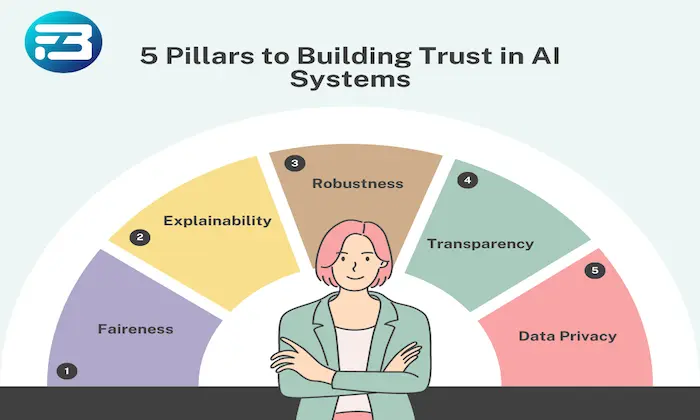
Ethics directly shape AI quality and trust, acting as the backbone for creating systems that society can rely on. Ethical AI is not just about compliance; it's about embedding values like fairness, transparency, and accountability into every stage of AI development. At FutureBeeAI, we understand that ethical considerations are essential for fostering public trust and acceptance, which are critical for the long-term success of AI technologies.
Why Ethical Considerations Are Essential for AI Quality
Ethical considerations are indispensable because they ensure AI systems are designed to reflect human values and protect individual rights. For example, in hiring tools, if the AI model is trained on biased historical data, it may perpetuate those biases. By ensuring data diversity and fairness, we prevent such outcomes and build systems that reflect broader societal values.
Ethical Data Collection: The Foundation of Trustworthy AI
The quality of an AI system is rooted in the data it learns from. Ethical data collection involves obtaining informed consent from contributors and ensuring data reflects diverse perspectives. This practice not only enhances dataset quality but builds trust with users, who feel their contributions are valued and respected. At FutureBeeAI, we prioritize ethical data collection, aligning with our commitment to human dignity and fairness.
Bias Mitigation in AI: Ensuring Fairness and Accountability
Bias mitigation is crucial in AI model training and evaluation. Implementing processes to detect and reduce bias ensures models are fair and accountable, not just performative. Regular audits for ethical compliance encourage teams to prioritize these values, resulting in trustworthy AI outputs. FutureBeeAI's continuous improvement processes help create models that are effective and ethically sound.
AI Transparency: Building Trust Through Explainability
Transparency is a hallmark of ethical AI systems. By providing clear documentation on how data is collected, processed, and used, we foster trust. Users who understand how AI systems operate are more likely to trust their outputs, especially in sensitive applications like finance or healthcare. FutureBeeAI ensures every dataset is accompanied by structured documentation, enhancing transparency and traceability.
Managing Ethical Trade-offs in AI Development
Balancing ethical considerations with performance metrics can present challenges. For instance, striving for fairness may mean recalibrating accuracy benchmarks. FutureBeeAI navigates these trade-offs by prioritizing long-term benefits like user trust and societal acceptance over short-term gains. This approach aligns with our ethical framework, which emphasizes the importance of diversity and fairness.
Building a Culture of Ethical AI
Creating a culture that values ethics at every stage of AI development is crucial. This involves training teams on responsible AI practices and establishing clear governance frameworks. Collaborating with external stakeholders, such as ethicists and community representatives, further enhances the ethical grounding of AI projects. At FutureBeeAI, we engage diverse perspectives to ensure our practices reflect broader societal values.
Conclusion: Committing to Ethical AI
Ethics are foundational to AI development, influencing both the quality and trustworthiness of systems. By embedding ethical principles into every aspect of AI—from data collection to model deployment—organizations like FutureBeeAI can create systems that perform well and uphold societal values. As the AI landscape evolves, a steadfast commitment to ethics will be key in navigating its complexities.
Smart FAQs
Q. How can organizations ensure ethical data collection for AI?
A. Organizations can ensure ethical data collection by obtaining informed consent, implementing diverse sampling strategies, and maintaining transparency about data use. Regular audits and stakeholder engagement further uphold ethical standards.
Q. What are the consequences of neglecting ethics in AI development?
A. Neglecting ethics in AI development can lead to biased outputs, loss of public trust, and potential legal issues, causing societal harm, particularly in sectors like healthcare or law enforcement.
What Else Do People Ask?
 Share this article on


Related AI Articles


Browse Matching Datasets


Acquiring high-quality AI datasets has never been easier!!!
Get in touch with our AI data expert now!
