How does a platform manage large volumes of TTS audio samples?
TTS
Multimedia Platforms
Speech AI
 7 January 2025
Managing large volumes of Text-to-Speech (TTS) audio samples is not just about storage. It is about building a structured system that ensures every audio asset is usable, traceable, and aligned with real-world performance expectations. Effective management directly impacts model quality, evaluation reliability, and user experience, especially when working with large-scale TTS audio datasets.
Why TTS Audio Management Matters
Poorly managed audio data leads to inconsistent model behavior, degraded naturalness, and reduced trust in outputs. Even high-quality models can fail if the underlying data is disorganized, mislabeled, or inconsistently evaluated.
Strong audio management ensures that every sample contributes meaningfully to model performance and evaluation accuracy.
Key Strategies for Effective TTS Audio Management
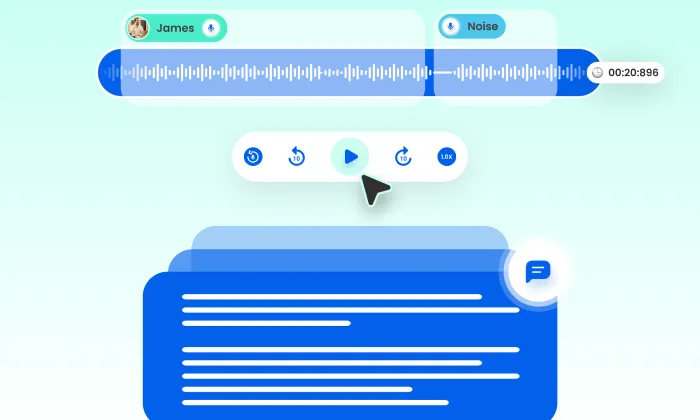
Metadata Structuring: Each audio sample should be tagged with detailed metadata, including speaker attributes, accent, tone, recording conditions, and use case. This enables efficient retrieval, targeted evaluation, and better dataset utilization.
Multi-Layer Quality Control: Quality checks should operate at multiple levels, starting with technical validation such as noise and clarity, and extending to perceptual evaluation such as naturalness, prosody, and emotional tone. This ensures both objective and subjective quality standards are met.
Sample Lineage Tracking: Maintain a clear history of each audio sample, including its source, transformations, and usage across models. This traceability is essential for debugging issues, maintaining compliance, and ensuring reproducibility.
Drift Monitoring: As datasets evolve, model behavior can shift. Monitoring for drift helps detect when newly added data or changes in distribution begin to affect output quality. Early detection prevents long-term degradation.
Adaptive Evaluation Frameworks: Evaluation methods should evolve with the development stage. Early stages may prioritize speed and iteration, while later stages require structured, high-rigor evaluation to ensure production readiness.
Practical Takeaway
Effective TTS audio management is a combination of organization, quality control, and continuous monitoring. It ensures that datasets remain reliable, evaluation processes stay consistent, and model outputs meet real-world expectations.
At FutureBeeAI, systems are designed to manage audio data at scale while maintaining high standards of quality and traceability. This enables teams to move beyond basic data handling and build TTS systems that consistently deliver natural and reliable speech. If you are looking to optimize your audio management workflows, you can explore tailored solutions through the contact page.
FAQs
Q. Why is metadata important in TTS audio management?
A. Metadata enables efficient organization, retrieval, and analysis of audio samples. It provides context such as speaker attributes and recording conditions, which are essential for targeted evaluation and model training.
Q. How can audio quality be maintained at scale?
A. Audio quality can be maintained through multi-layer quality control processes, continuous monitoring for drift, structured evaluation frameworks, and proper tracking of sample lineage to ensure consistency over time.
What Else Do People Ask?
 Share this article on


Related AI Articles
Browse Matching Datasets


Acquiring high-quality AI datasets has never been easier!!!
Get in touch with our AI data expert now!
