How does ethical AI intersect with human rights?
Ethical AI
Human Rights
AI Ethics
 15 November 2025
In today's technology-driven world, the intersection of ethical AI and human rights is crucial. As AI becomes deeply integrated into sectors like healthcare and policing, aligning these technologies with human rights principles is not optional, it directly affects individuals and communities worldwide.
- Ethical AI: Ethical AI involves developing and deploying AI systems responsibly. It prioritizes fairness, accountability, transparency, and respect for individual rights to ensure technology benefits humanity without causing harm.
- Human Rights: Human rights are fundamental entitlements such as privacy, freedom of expression, and non-discrimination, as outlined in the Universal Declaration of Human Rights. These rights serve as the moral and legal foundation for evaluating AI’s societal impact.
Why Ethical AI is Critical for Protecting Human Rights
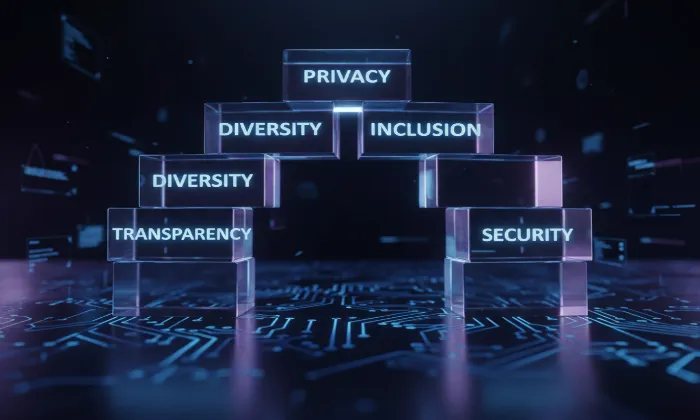
Ethical AI is essential for upholding human rights. Without safeguards, biased algorithms can reinforce inequalities in areas like hiring or policing. Ethical AI frameworks promote inclusive and fair AI data collection and responsible data processing to prevent such harm.
As AI systems increasingly influence real-life decisions, accountability becomes more important. Ethical AI encourages transparency in decision-making, ensuring individuals have the ability to understand and challenge AI-driven outcomes.
How Ethical AI and Human Rights Interact
- Balancing Innovation with Responsibility: Ethical AI ensures that innovation does not compromise human rights. This includes protecting privacy through informed consent and ensuring that data practices respect human dignity.
- Ensuring Fairness Through Diverse Data: Ethical AI emphasizes diverse datasets to prevent bias. Representing varied demographics aligns with the human rights principle of non-discrimination and results in more equitable AI systems.
Navigating Trade-offs in Ethical AI and Human Rights
Implementing ethical AI requires navigating trade-offs. For example, maximizing data utility may conflict with privacy protection. Teams must carefully weigh these considerations.
Bias mitigation also remains a persistent challenge. Ensuring fairness requires continuous review across the data lifecycle—from speech data collection to model deployment.
Common Missteps by Experienced Teams
- Underestimating Stakeholder Engagement: A lack of diverse stakeholder input often leads to overlooked ethical concerns or blind spots.
- Treating Human Rights as a Checkbox: Ethical AI demands ongoing commitment—not temporary compliance. Organizations must embed human rights principles deeply into their culture and processes.
Building a Future of Ethical AI Compliance
Organizations should promote a culture of ethical awareness by training teams to understand societal impacts and working with ethicists, sociologists, and legal experts.
Robust governance frameworks—including ethical review boards, continuous monitoring, and transparent decision-making processes—help ensure AI systems remain aligned with human rights principles.
Real-World Applications and Governance Frameworks
Organizations using diverse datasets and engaging communities through workshops often achieve reduced bias and improved fairness. Ethical review boards, audits, and documentation-based governance frameworks further support accountability and transparency—both essential for protecting human rights.
Conclusion
The intersection of ethical AI and human rights presents both challenges and opportunities. By committing to ethical practices, organizations can develop AI systems that protect individual rights while advancing technology responsibly. Ethical AI is not just good practice—it is essential for a future where AI serves society equitably.
Smart FAQs
Q. How can organizations ensure their AI practices are ethical?
A. Organizations can adopt ethical frameworks that emphasize transparency, accountability, and fairness. Conducting regular bias audits, involving diverse stakeholders, and openly communicating AI’s human rights impact are crucial strategies.
Q. What role do regulations play in ethical AI?
A. Regulations define baseline requirements for ethical AI, but true protection of human rights requires ongoing commitment beyond compliance. Ethical principles must continuously evolve alongside technology.
What Else Do People Ask?
 Share this article on


Related AI Articles
Browse Matching Datasets


Acquiring high-quality AI datasets has never been easier!!!
Get in touch with our AI data expert now!
